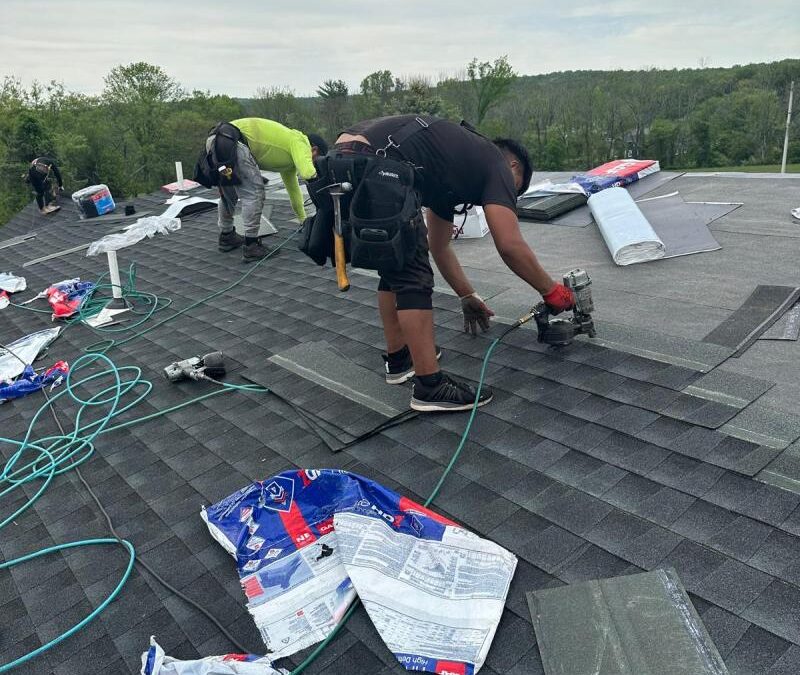
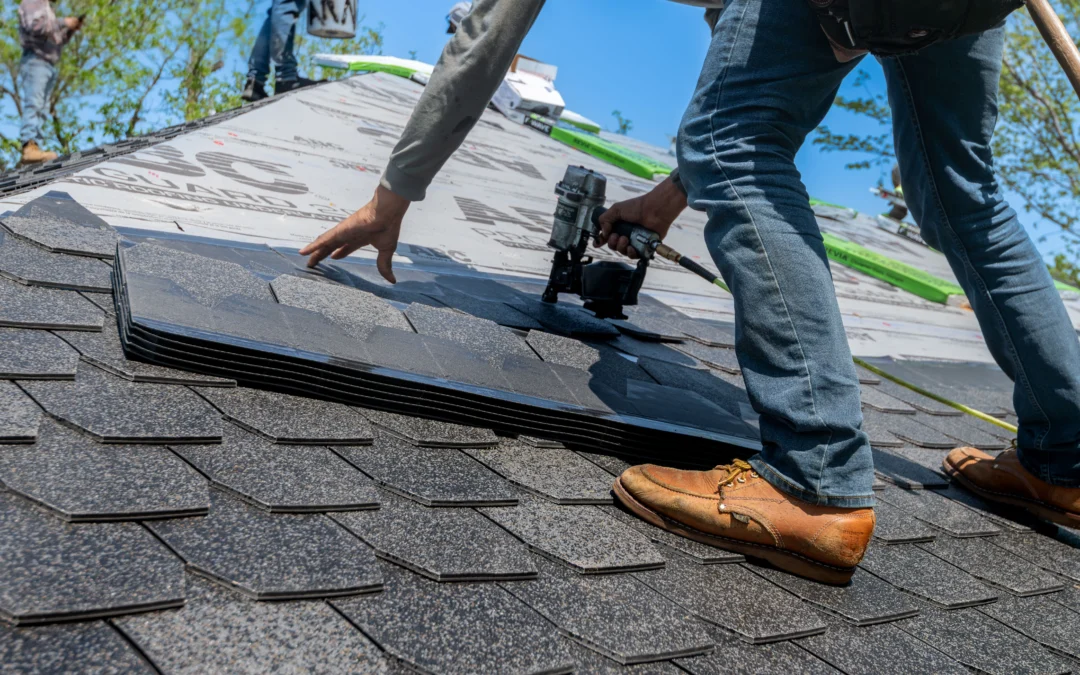
After a storm, check your roof for missing, cracked, or curled shingles, dented or dinged flashing and gutters, granules collecting at the downspouts, and any water stains on your ceilings or in the attic. Do the inspection from the ground, document everything with photos, and call a licensed Montclair roofing contractor for a professional look before small damage turns into a leak.
If you’ve lived in Montclair, Bloomfield, Verona, or anywhere across Northern New Jersey for a few summers, you know how fast a calm afternoon can turn into a wall of wind, rain, and hail. Our region gets severe thunderstorms all summer and the occasional nor’easter in the colder months, and your roof takes the first hit every time. The tricky part is that roof storm damage often isn’t dramatic. There’s no gaping hole, just a few lifted shingles or a dinged vent that quietly lets water in for months. Here’s how to catch it early.
What Does Roof Storm Damage Actually Look Like?
Storm damage shows up in a few predictable ways, depending on whether the culprit was wind, hail, or heavy rain.
Wind damage lifts, creases, or tears shingles. High gusts get under the edges and fold them back, breaking the seal that keeps water out. You might spot shingles that are askew, curled at the corners, or missing entirely, sometimes you’ll literally find them in the yard or against the fence.
Hail damage is sneakier. It leaves small dents, bruises, or pockmarks where the hailstone knocked the protective granules off the shingle. A hail-struck roof often looks fine from the street but has dozens of soft spots that shorten its lifespan. A good clue is granule loss, if your gutters and the base of your downspouts are full of what looks like coarse black sand, hail or age is wearing your shingles down.
Water and debris damage comes from the storm itself. A branch off one of Montclair’s big old oaks can puncture the roof outright, and wind-driven rain finds its way through any gap in the flashing around chimneys, skylights, and vents.
How Do I Inspect My Roof After a Storm?
You can do a solid first check without ever leaving the ground. Please don’t climb onto a wet or storm-damaged roof, that’s genuinely dangerous, and it’s what your local roofer is for.
Walk the full perimeter of your house and look up. Scan for missing, lifted, or broken shingles and any sagging along the roofline. Check your gutters and downspouts for dents and for piles of granules. Look at the metal flashing around the chimney and vents to see if anything is bent or pulled loose. Then head inside and up to the attic with a flashlight: water stains, damp insulation, or daylight showing through the boards are all red flags. Finally, walk your ceilings and upstairs walls looking for fresh water stains or discoloration.
Take clear photos of anything you find, with dates. If you ever need to make an insurance claim, that documentation is gold.
Why Are Northern NJ Roofs So Vulnerable to Storms?
Two reasons: our weather and our housing. Northern New Jersey runs the full four-season gauntlet, hot, humid summers that breed violent thunderstorms, plus winters with the freeze-thaw cycles and ice dams that pry shingles loose and set them up to fail in the next big wind. On top of that, Montclair, Glen Ridge, and Nutley are full of beautiful older homes with steep rooflines, dormers, and aging slate or asphalt roofs. The character is wonderful; the maintenance demands are real. An older roof that’s already lost some of its flexibility is far more likely to lose shingles in a storm than a newer one.
What Should I Do Immediately After Finding Damage?
Move quickly but calmly. If water is actively coming in, put a bucket under the drip and, if it’s safe, place a tarp or a temporary patch inside the attic to slow it down, never climb up top in bad conditions. Document everything with photos, then call a licensed and insured New Jersey roofer for a professional roof inspection. Most local companies across Essex County offer these inspections free, and catching a small problem now is far cheaper and easier than repairing water damage to your ceilings, insulation, and framing later.
If the damage looks significant, ask the roofer whether it’s worth filing an insurance claim. Sudden storm damage is usually what your policy is designed to cover, unlike normal wear and tear.
How Soon Does Storm Damage Need to Be Fixed?
Sooner than most people think. Even a single lifted shingle or a small crack in the flashing lets water sneak under the surface, and water is patient, it’ll travel along the decking and show up as a stain far from where it actually entered. A tiny issue ignored through one rainy Northern NJ season can rot the wood decking and invite mold. As a rule, if you find storm damage, get it looked at within a week or two rather than waiting for the next leak to announce itself.
Frequently Asked Questions
How do I know if my roof was damaged in a storm? Look for missing or curled shingles, dented gutters and flashing, granules in the downspouts, and water stains in the attic or on ceilings. When in doubt, get a free professional inspection.
Can wind really damage a roof if no shingles are missing? Yes. Wind can break the adhesive seal and crease shingles without blowing them off, leaving hidden weak spots where water gets in later.
What is hail damage on a roof? Hail knocks the protective granules off shingles, leaving bruises and soft spots that aren’t always visible from the ground but shorten the roof’s life.
Should I go on my roof to check for damage? No, inspect from the ground and the attic. A wet or storm-damaged roof is dangerous; leave the rooftop inspection to a licensed roofer.
Does storm damage get worse over time? Almost always. Small breaches let water spread through the decking, so damage that seems minor today can become a major leak within a season.
Roof storm damage in Montclair and Northern New Jersey is common, easy to miss, and quick to get worse. After any big storm, take ten minutes to look your roof over from the ground, check the attic, and snap some photos. If anything looks off, get a free roof inspection from a trusted local roofing contractor before the next round of weather rolls through. A little vigilance now protects the whole house later.
Just rode out a storm? Reach out to a licensed Montclair-area roofer for a free, no-pressure inspection and honest assessment of your roof.